
Debunking common gambling myths What you really need to know
Understanding the Gambler’s Fallacy
The gambler’s fallacy is a prevalent myth that suggests past events can influence future outcomes in games of chance. Many players believe that if a particular number has not appeared in a while, it is “due” to win. This misconception stems from a misunderstanding of probability and random events. Each spin of the roulette wheel or roll of the dice is independent of previous spins or rolls, meaning that the odds remain constant regardless of past occurrences. Engaging with resources such as WC 2026 betting can provide further insights into how to approach odds effectively.

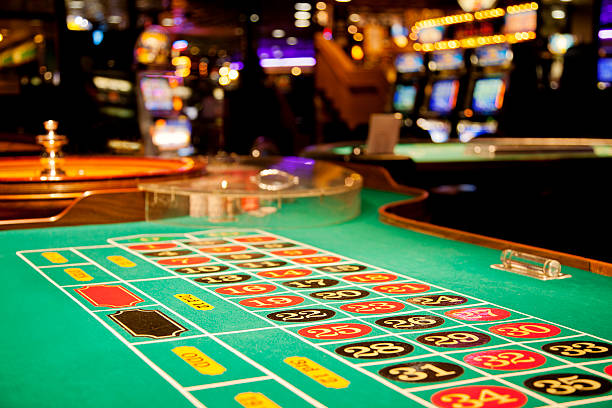
For instance, in a game of roulette, if the ball lands on red several times in a row, it does not affect the probability of landing on black in the next round. This myth can lead players to make irrational bets, hoping to recoup losses based on false beliefs about randomness. Understanding the true nature of randomness can help players make more informed decisions and enjoy gambling as a form of entertainment rather than a means of income.
Educating oneself about statistical principles is essential for anyone looking to engage responsibly in gambling. By dispelling the gambler’s fallacy, players can approach the game with a more rational mindset, reducing emotional decision-making and potential financial pitfalls. This understanding can transform the gambling experience from one driven by misconceptions to one grounded in knowledge and strategy.
The Myth of “Hot” and “Cold” Streaks
Another common misconception in gambling is the idea of “hot” and “cold” streaks, where players believe certain machines or tables are more likely to yield wins based on recent outcomes. This myth is particularly pervasive in slot machines and table games, where players may avoid or seek specific games based on perceived streaks. In reality, these streaks hold no bearing on the game’s outcome, as each spin or hand is statistically isolated from previous results.
Players often gravitate towards machines that have recently paid out substantial jackpots, assuming they will continue to do so. However, each game has a built-in random number generator, ensuring that outcomes are unpredictable. Thus, whether a machine has been “hot” or “cold” is merely a reflection of chance and should not be factored into decision-making. Relying on these trends can lead to misguided strategies and unfulfilled expectations.
To maximize enjoyment and minimize losses, players should focus on understanding the mechanics of each game rather than falling victim to the allure of streaks. Awareness of how games operate at a fundamental level can lead to smarter play and a more enjoyable gambling experience. By disregarding these myths, players can approach their time at the casino with a clearer head and better strategies.
The Illusion of Skill in Games of Chance
A prevalent myth among casual gamblers is the belief that skill can significantly influence the outcome of games of chance, such as slots or roulette. While games like poker and blackjack do involve a degree of skill and strategy, many casino games are purely chance-based. This misconception can lead players to overestimate their abilities and make poor betting choices, often resulting in significant losses.
For example, in a game of slots, no amount of skill or strategy will change the fact that the results are determined by random number generators. Players may spend time trying to develop strategies for winning, only to find that their success hinges solely on luck. In contrast, understanding which games rely more on skill can help players focus their efforts and potentially improve their odds.
Recognizing the balance between chance and skill is vital for responsible gambling. Players should approach skill-based games with a strategy while accepting that chance-based games are largely unpredictable. This awareness fosters a healthier gambling mindset, promoting enjoyment without unrealistic expectations of winning based on skill alone.
Chasing Losses: A Dangerous Mindset
Chasing losses is a common behavior among gamblers, often fueled by the belief that they can recover lost money through increased betting. Many players fall into the trap of believing that if they just keep playing, they will eventually win back their losses. This mindset can lead to devastating financial consequences and an increased risk of gambling addiction.
When players chase losses, they often increase their bets in an attempt to compensate for earlier losses. This often results in deeper losses, creating a vicious cycle that can be hard to break. Understanding that losses are a part of gambling and that no strategy guarantees recovery can empower players to set limits and stick to them.
Establishing a budget before gambling and adhering to it is crucial for responsible gaming. Recognizing when to walk away after a loss can save players from entering a destructive pattern. Ultimately, viewing gambling as a form of entertainment rather than a way to make money can lead to a more balanced and enjoyable experience.
Final Thoughts on Gambling Myths
The world of gambling is rife with myths and misconceptions that can distort perceptions and lead to poor decision-making. By understanding and debunking these common myths, players can approach gambling with a clearer perspective. Knowledge about concepts like the gambler’s fallacy, streaks, skill versus chance, and the dangers of chasing losses can all contribute to a more responsible gambling experience.
It is essential to seek out accurate information and educate oneself about the realities of gambling. By fostering a responsible approach to gaming, players can enjoy the excitement of the casino while minimizing the risks associated with common myths. Ultimately, gambling should be a source of entertainment rather than a means of financial gain.
As you navigate the complexities of gambling, remember that platforms and resources dedicated to demystifying these issues are invaluable. Engaging with responsible gambling content can enhance your understanding and enjoyment of the experience, leading to informed choices that prioritize both fun and safety.